

Communication over perfection.
EaseTalk exists for the part of therapy nobody sees: the fortnight between appointments, when the speaking actually has to happen. We are not trying to fix anyone's speech. We are trying to make the next conversation feel possible.

Therapy is an hour. Life is the rest of the week.
A speech and language therapist can give somebody the right technique on a Tuesday afternoon. What happens on the Thursday, in a shop, with a queue behind you, is where it either holds or it does not. That gap is where confidence is won and lost, and until now it has been invisible to everyone involved.
EaseTalk puts something useful in that gap. Practice the therapist chose. A private place to get it wrong. A short note about how it felt. Then the therapist sees enough to start the next session somewhere better than the beginning.
The goal is not flawless speech
It is being understood, and feeling able to start the conversation. That is why there are no streaks to protect, no leaderboards, and nothing in the app that goes red when you have had a hard week.
Four things we will not trade away.
-
Communication over perfection
We measure nothing about how correct somebody sounds. Being understood and feeling able is the whole objective.
-
Between sessions is where progress lives
The product is shaped around the fortnight, not around the appointment. Everything it does serves the days in between.
-
Clinician informed, clinician led
Built with UCC's Speech and Language Therapy department and practising therapists. The SLT stays in charge of the care, always.
-
Calm
No pressure mechanics, no alarm states, no gamified urgency. Nothing in the app raises its voice at you.
The road so far.
-
It began at University College Cork
A computer science thesis, developed with UCC's Speech and Language Therapy department and with people with lived speech difficulty.
-
The research was published through IEEE
EaseTalk: An LLM Driven Speech Practice Tool for Real Life Scenarios
-
Health Innovation Hub Ireland, AI Call 2025 winner
Recognition from the national body that connects health services with the people building things for them, and a place on Enterprise Ireland's list of 15 healthcare AI innovators to watch for 2026. The HIHI announcement · Ones to watch for 2026
-
Enterprise Ireland New Frontiers, and NDRC
Accepted onto New Frontiers and awarded the Phase II Best Pitch Award, alongside a partnership with NDRC. Read the announcement
-
Into a hospital
Early clinical pilot activity at South Infirmary Victoria University Hospital in Cork, with real clinicians and real clients. That is where EaseTalk is now.


A small team, close to the work.
EaseTalk is built by three people, with advisors from health innovation and the university around them. Write to us and you reach one of us directly.
Marco Faggiani
Founder and CEO
Started EaseTalk and leads the company. Keeps the product close to the therapists and to the people practising with it.
Dr Andrea Visentin
Co-founder and AI expert
Co-founded EaseTalk and leads the AI work, including the limits we hold it to and the way those limits are checked.
Alen Geo Alex
Founding Engineer
Builds the app and the therapist portal, and the systems underneath that keep practice private.
The people who tell us when we are wrong.
One from health innovation, and one from the university.
Dr Michael Twomey
Health Innovation Hub Ireland
Eamonn Curtin
Ignite UCC
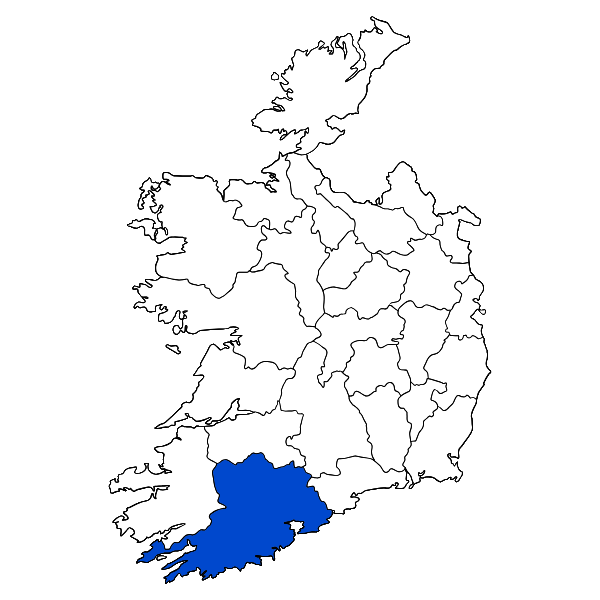
Proudly built in Cork.
EaseTalk was built at University College Cork and its first clinical users are in Cork. Being small and local has been an advantage: the therapists who shaped the product are people we can meet, and the people who told us what was wrong with it told us in person.
That is also why the app is built the way it is. Large text, big tap targets, plain words, nothing that shouts. Those decisions came from watching people use it, not from a style guide.
Come and be part of it.
Whether you are practising, treating, researching, or just curious, we would like to hear from you.